 By
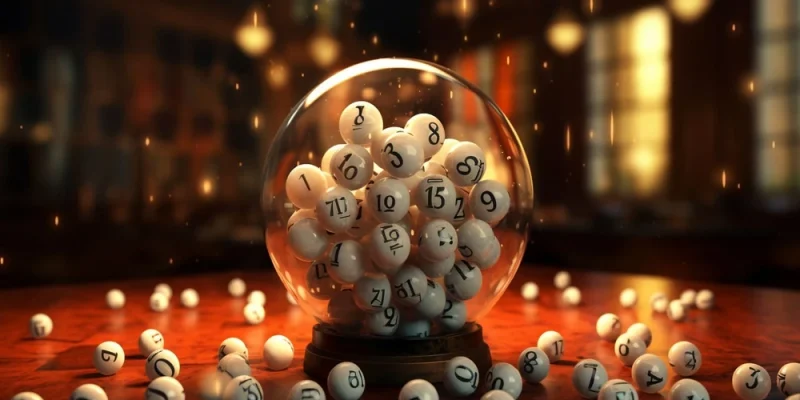
Every lottery community has its favorite theories. Some swear certain digits are overdue, while others insist a lucky seller makes a difference. These ideas spread quickly through chat groups and comment sections. Anyone buying through a เว็บหวยออนไลน์ has probably heard several of them already. Most sound convincing at first because they feel like common sense. A closer look with basic logic shows why they do not hold up.
Random Draws Have No Memory at All
The most important point is simple. Each draw is separate from every draw before it. Machines and random systems do not track which numbers appeared last week. A digit that came up yesterday has exactly the same chance today.
Popular Myths That Keep Circulating Online
Certain beliefs appear again and again in forums and social media posts. Each one feels logical but falls apart under simple reasoning.
- Overdue numbers must appear soon because they have been missing.
- Hot numbers will keep winning since they appeared several times recently.
- Sequences such as one, two, three are less likely than mixed digits.
- Buying tickets at a certain hour improves the chance of winning.
- A seller who sold a winning ticket will sell another soon.
- Numbers that just won cannot possibly repeat in the next round.
- Special systems or software can predict upcoming results accurately.
- Near misses mean a win is getting closer for that buyer.
The Overdue Number Mistake Explained
Many buyers believe a number that has not appeared for months is “due.” This idea is called the gambler’s fallacy. It assumes past results balance out in the short term. In reality, each draw starts fresh, so missing numbers gain no extra chance.
What Makes Sequences Seem Less Likely to Win?
A combination like 1, 2, 3, 4, 5, 6 looks too neat to be random. Our minds expect randomness to look messy. Because of that, ordered numbers feel less likely than scattered ones. This feeling is natural but not accurate.
Every specific combination has the same chance in a fair draw. A neat sequence is just as likely as any mixed set of digits. Interestingly, fewer buyers choose obvious patterns. That means if one ever wins, the prize might be shared with fewer people. The odds themselves stay exactly the same.
Lucky Sellers Are Mostly About Volume
Some sellers become famous for selling winning tickets. Usually, they simply sell far more tickets than others. More sales naturally lead to more winners from the same location.
Prediction Tools Cannot Beat Randomness
Apps and paid groups often claim to forecast results using past data. No tool can predict a truly random draw. Members of a เว็บหวยออนไลน์ community should treat such claims with strong doubt. Paying for predictions adds cost without improving any chance of winning.
Comparing Common Beliefs With Actual Probability
Myths often hide behind small truths. The table separates what people believe from what probability actually shows. Each row reflects how fair random draws work. Use it as a quick reference when new theories appear.
| Belief | What People Assume | What Probability Shows |
| Overdue numbers | Missing digits will return soon | Every draw is independent |
| Hot streaks | Frequent winners keep winning | Past frequency has no effect |
| Lucky hours | Timing changes outcomes | Purchase time does not matter |
| Paid predictions | Experts can forecast results | Random draws cannot be predicted |
| Near misses | A win is getting closer | Each result starts from zero |
FAQ on Lottery Myths and Logic
- Do overdue numbers have better chances? No. Every number has equal odds in each draw.
- Can past results reveal future patterns? No. Random results do not follow predictable trends.
- Does buying from a famous seller help? No. Busy sellers win more only because they sell more.
- Are number sequences less likely to win? No. Every combination has the same probability.
- Should I pay for prediction services? No. They cannot forecast random draws.
- Do near misses mean I am close to winning? No. Each draw resets completely.
Clear Thinking Keeps Play Enjoyable
Many theories feel comforting because they suggest control over chance. Understanding randomness removes false hope without removing the fun. Choose numbers for personal meaning rather than predicted outcomes. Keep spending within a planned limit. Steady habits and honest thinking matter far more than any pattern someone claims to see.





Comments